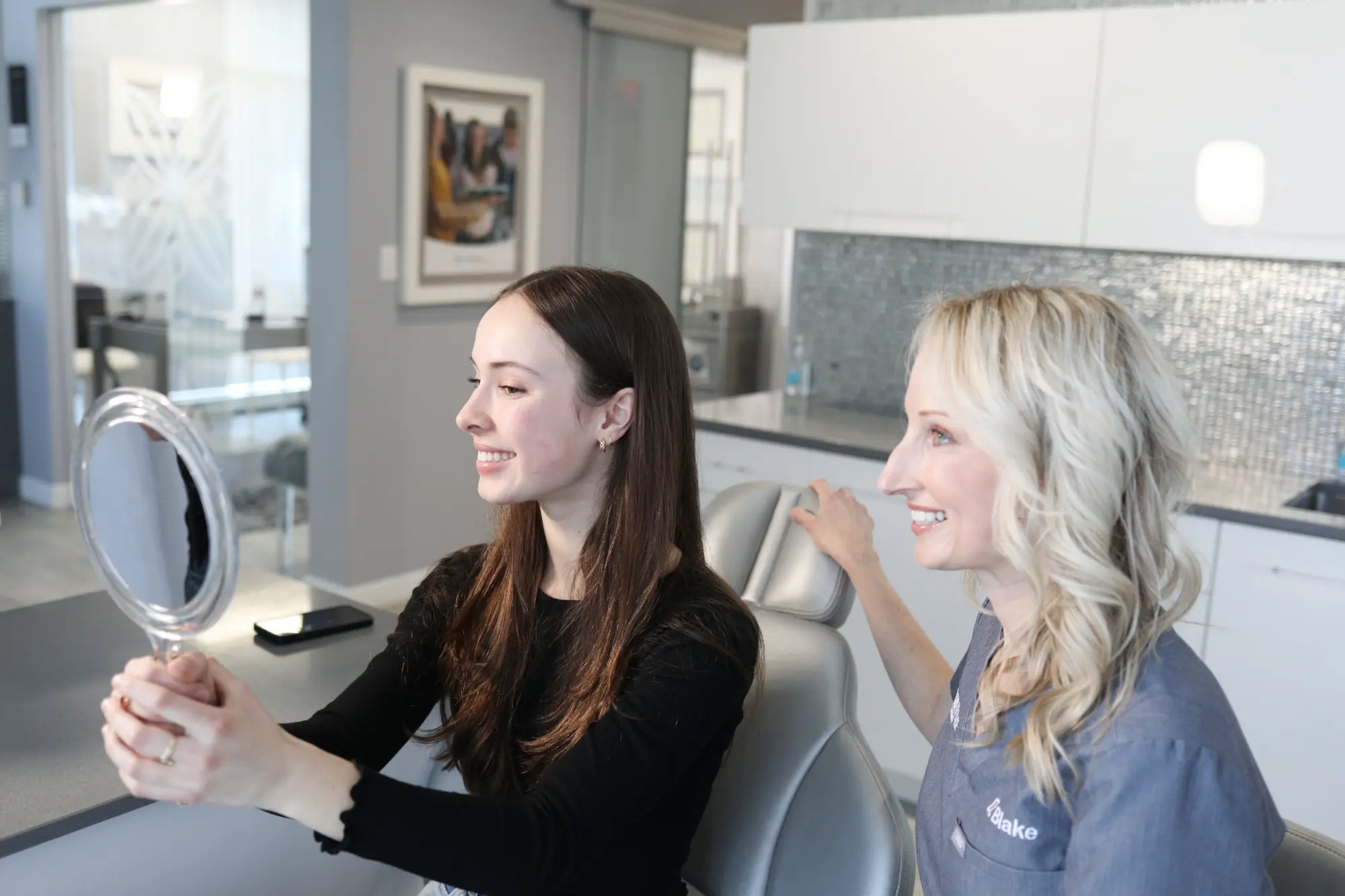
Orthodontics isn’t just for teenagers anymore. A great smile never goes out of style, and today more people than ever are choosing treatment at every stage of life. In fact, according to the American Association of Orthodontists, roughly one in three orthodontic patients today is an adult. At Elizabeth Blake Orthodontics in Hopkinton, we see that shift every week.
So what actually changes when treatment starts at age 8 versus 14 versus 45? Quite a bit. Age shapes timing, appliance choices, treatment length, and even how your body responds to gentle tooth movement. This guide to orthodontic treatment for every age walks through what’s different for kids (ages 6-10), teens (ages 11-17), and adults (18 and up), so you can see exactly what to expect at every life stage.

Why Age Matters in Orthodontic Treatment
Age affects orthodontic treatment in three key ways: jaw growth, bone remodeling speed, and lifestyle factors. Your jaw, bone, and daily routine all change over time, and each of those factors shapes how treatment unfolds. The goal stays the same at every age: a healthy bite, aligned teeth, and a confident smile. The path there just looks a little different.
Here’s what shifts with age:
- Jaw growth: Younger patients have active growth plates that can be guided. Adult jaws are fully developed.
- Bone remodeling speed: Kids and teens have faster cellular turnover, so teeth move more quickly. Adult bone is denser and remodels at a slower pace.
- Dental history: Older patients often have crowns, fillings, or gum considerations that factor into planning.
- Compliance drivers: Kids rely on parents. Teens balance school and social life. Adults bring strong personal motivation.
Orthodontics is often described as the perfect blend of art and science. That balance shows up clearly here, because the right plan depends on both biology and the person sitting in the chair.
Orthodontics for Kids (Ages 6-10): Early Interceptive Treatment
The American Association of Orthodontists recommends that every child have a first orthodontic evaluation by age 7. That may sound early, but there’s a reason for it. Around this age, a child usually has a mix of baby and permanent teeth, and small issues are easier to spot and guide before they become bigger ones.
This stage is often called Phase 1, or early interceptive treatment. Not every child will need braces right away. In many cases, the first visit is simply about monitoring growth. When treatment is recommended, the focus is on guiding jaw development and creating space for adult teeth to come in properly.
Common early treatments include:
- Palatal expanders to widen a narrow upper jaw
- Space maintainers when a baby tooth is lost early
- Partial braces on select teeth
- Habit appliances for thumb-sucking or tongue-thrusting
Early intervention can address crossbites, severe crowding, and jaw irregularities while the bone is still growing. It often shortens or simplifies any Phase 2 treatment needed later on. Think of it as setting the foundation, so the finishing work is easier when your child is older. Learn more about our orthodontic care for every age in Hopkinton.
Orthodontics for Teens (Ages 11-17): The Prime Treatment Window
The teen years are the most common time for full orthodontic treatment, and for good reason. By this age most permanent teeth have erupted, but the jaw is still growing. That combination is biologically ideal for moving teeth efficiently and correcting bite issues at the same time.
Because bone remodels faster in adolescence, treatment often wraps up in about 12-24 months. Growth modification is still possible, which means bite corrections that would require more involved planning in adulthood can often be handled with braces or aligners alone.
Popular options for teens include:
- Metal braces, which are durable and often customized with colored bands
- Clear braces, which use tooth-colored brackets for a more subtle look
- Clear aligners, which are removable and nearly invisible
Teens juggle a lot. School, sports, band, prom photos, and everything in between. A good plan that fits their day-to-day takes all of that into account. Parents also play an important role at this stage, offering the gentle reminders and support that keep hygiene and appointments on track.
Orthodontics for Adults (18+): It’s Never Too Late
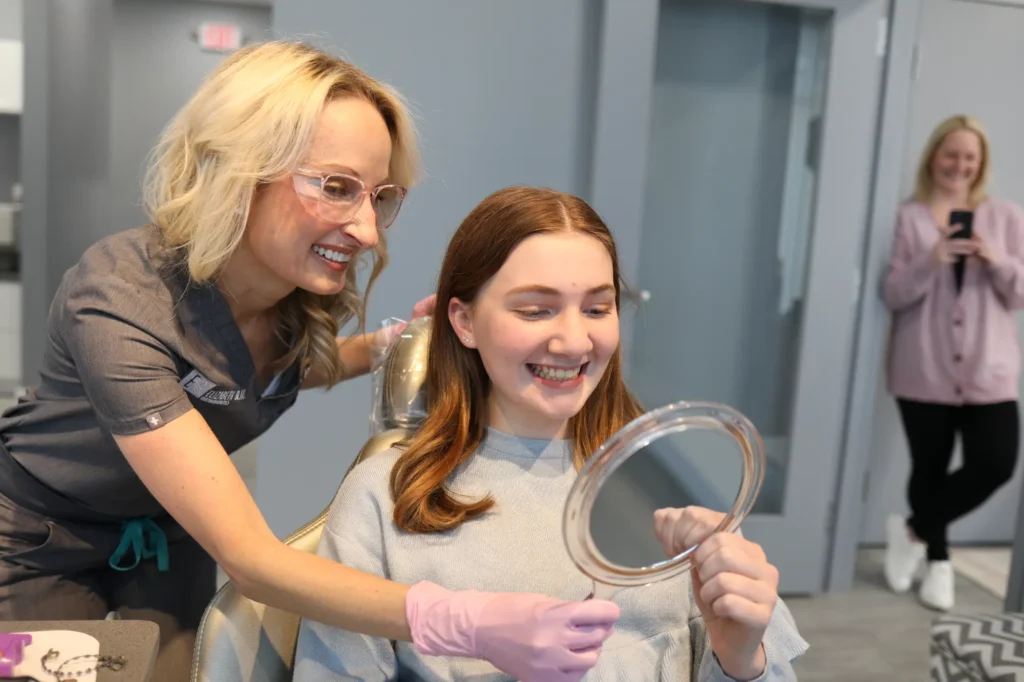
There is no upper age limit for orthodontic treatment. According to the American Association of Orthodontists, adults across a wide range of ages successfully complete treatment every year. What matters is healthy gums and adequate bone support, not the number of candles on your birthday cake.
Adult treatment typically runs a bit longer, often 18-30 months, because mature bone remodels more slowly. That extra time is well worth it. Adults tend to be highly motivated, follow instructions carefully, and show up consistently, which contributes to excellent results.
Adult care sometimes coordinates with other work like crowns, implants, or gum treatment. If you had braces years ago and your teeth have shifted, re-treatment is common and effective. Discreet options like clear aligners and clear braces fit right into professional and social life, so you can keep smiling through meetings, events, and everything else on your calendar.
If you’ve been putting it off, it’s worth a conversation. You deserve a smile you love, no matter your age.
Kids vs. Teens vs. Adults: Side-by-Side Comparison
| Factor | Kids (6-10) | Teens (11-17) | Adults (18+) |
|---|---|---|---|
| Typical Duration | 6-18 months (Phase 1) | 12-24 months | 18-30 months |
| Jaw Growth | Very active, easy to guide | Still growing, can be guided | Fully developed |
| Bone Response | Fastest remodeling | Fast remodeling | Slower, denser bone |
| Common Appliances | Expanders, space maintainers, partial braces | Metal braces, clear braces, clear aligners | Clear aligners, clear braces, metal braces |
| Treatment Focus | Guide growth, prevent bigger issues | Full alignment and bite correction | Alignment, function, cosmetic goals |
| Compliance Driver | Parental support | Parent and self | Personal motivation |
| Lifestyle Concerns | School, sports, snacks | School, sports, social image | Work, travel, professional appearance |
| Dental History | Minimal | Usually minimal | May include crowns, implants, gum care |
Treatment Options Available at Each Age
The right appliance depends on your age, your bite, and your daily life. Here’s how the main options line up:
- Metal braces: Reliable and effective at every age. Great for complex cases and popular with kids and teens who enjoy customizing with colored bands.
- Clear braces: Use tooth-colored brackets for a lower-profile look. A favorite among older teens and adults who want the strength of braces with a subtler appearance.
- Clear aligners: Removable, nearly invisible trays worn 20-22 hours per day. Available for teens and adults, and a strong fit for professional or social lifestyles.
- Growth-guiding appliances: Palatal expanders, space maintainers, and habit appliances used mainly during Phase 1 treatment for kids.
- Retainers: Required after treatment at every age to keep your new smile in place. Options include removable trays and bonded wires.
Our board-certified orthodontists, Dr. Blake and Dr. Peluso, will walk you through which option fits your goals, your bite, and your schedule.
Insurance and Financing by Age Group
Insurance and financing details shift a bit by age group, even though the treatment plan itself is guided by your bite and goals rather than your birthday.
- Kids and teens: Family dental plans often include orthodontic benefits, and Phase 1 treatment is sometimes covered separately from later Phase 2 care.
- Adults: Insurance coverage varies more widely. Many adults use FSA or HSA funds to pay with pre-tax dollars.
- Longer timelines: Adult treatment often runs a few months longer because mature bone remodels more slowly.
- Payment plans: Flexible financing options help make treatment manageable at any age.
At Elizabeth Blake Orthodontics in Hopkinton, we walk you through your insurance and financing options during your free consult, so you know exactly what to expect before you begin.
Compliance and Lifestyle Considerations at Each Stage
Daily life plays a big role in how smoothly treatment goes. Here’s what to keep in mind at each stage:
Kids: Parents are the backbone of success. Younger patients need help brushing around brackets, sticking to food guidelines, and remembering appliances. A little coaching at home goes a long way.
Teens: Teens can handle more responsibility, but they’re also balancing sports, school, and social pressures. Mouthguards for athletes, aligner wear time, and consistent hygiene are the top areas parents can gently support.
Adults: Motivation is usually the strongest at this stage. Professional appearance, travel schedules, and busy work weeks often steer adults toward discreet options like clear aligners. Follow-through tends to be excellent.
Compliance is highest when the treatment plan actually fits how you live. That’s why our Hopkinton team takes time to understand your day-to-day before recommending an approach.
Frequently Asked Questions About Orthodontic Treatment by Age
What is the best age for orthodontic treatment?
The American Association of Orthodontists recommends a first evaluation by age 7. Most full treatment happens between ages 11 and 14, when permanent teeth have come in and the jaw is still growing. That said, the best age is really the age you’re ready, because treatment works at every stage of life.
Is it better to get braces as a kid or an adult?
Both work well, just differently. Kids and teens benefit from active growth and faster bone remodeling, which often means shorter treatment. Adults bring strong motivation and consistency, which drives excellent results. The right time depends on your specific bite, goals, and life circumstances.
What are the three main types of orthodontic treatments?
The three most common options are metal braces, clear braces, and clear aligners. Metal and clear braces use brackets and wires to move teeth, while clear aligners use a series of removable trays. Growth-guiding appliances like expanders are also used, mainly for younger patients.
Why isn’t orthodontic treatment always covered for adults?
Many dental insurance plans limit orthodontic benefits to dependents under a certain age, often 18 or 19. Adult coverage varies widely by plan. The good news is that FSA and HSA funds can be used for treatment, and flexible monthly payment plans make care accessible whether or not insurance applies.
Can adults get the same results as teens?
Yes. Adults achieve beautifully aligned smiles and healthy bites just as reliably as teens. Treatment may take a few extra months because mature bone remodels more slowly, but the end result is just as strong and lasting.
Is there an age limit for braces?
No. There is no upper age limit for orthodontic treatment at our Hopkinton practice. What matters is having healthy gums and adequate bone support. Patients well into their 60s and 70s complete treatment every year.

Find the Right Orthodontic Treatment for Your Age and Goals
Every smile deserves a careful evaluation, and every age deserves a plan built around real life. Whether you’re a parent wondering if it’s time for your child’s first orthodontic visit, a teen ready for braces or clear aligners, or an adult finally investing in the confidence you deserve, we’re here to make you smile.
Your first visit at Elizabeth Blake Orthodontics in Hopkinton includes an exam, easy digital scans, and a custom treatment plan from our expert husband-and-wife doctors. No pressure, no commitment, just answers. Schedule a free consult with Dr. Blake and Dr. Peluso to explore the options that fit your age, your goals, and your life.